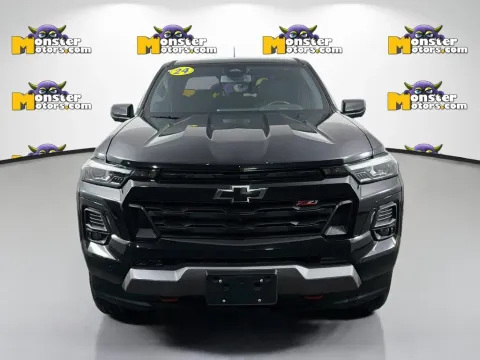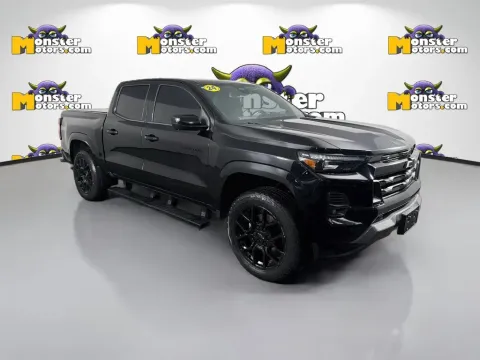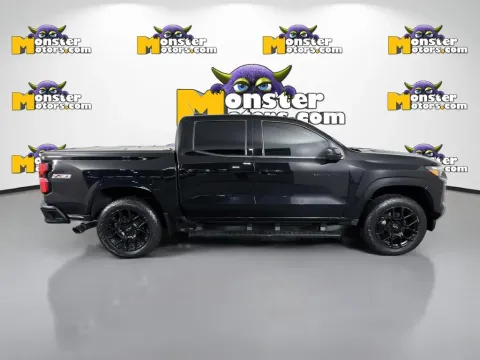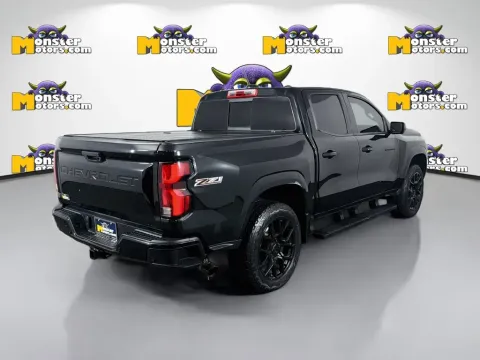
Compact vs. Full-Size: Which Used Pickup Fits Your Needs?
Table of Contents
- 1. How Much Metal Can You Park and Maneuver?
- 2. What Do You Really Need to Tow or Haul?
- 3. How Much Will You Spend Each Month?
- 4. What Will It Cost to Run Every Day?
- 5. Where Do You Drive—and Play?
- Urban & Suburban Commuters
- Mixed-Use Adventurers
- Heavy-Duty Haulers & Off-Road Enthusiasts
- 6. How Will It Hold Its Value?
- 7. Buying Smart at the Dealership
- Make It Yours
- Browse Our Inventory Of Used Pickup Trucks
The 2025 used-truck market is overflowing with choice, from wallet-friendly compact rigs like Ford’s Maverick to workhorse full-sizers such as the Toyota Tundra. Yet “more choice” can feel like “more confusion” when you’re standing on a dealership lot wondering which body style, bed length, or powertrain will really serve you best. This guide breaks the decision down into six practical questions so you can drive away in the Used Truck that matches your lifestyle and budget.

1. How Much Metal Can You Park and Maneuver?
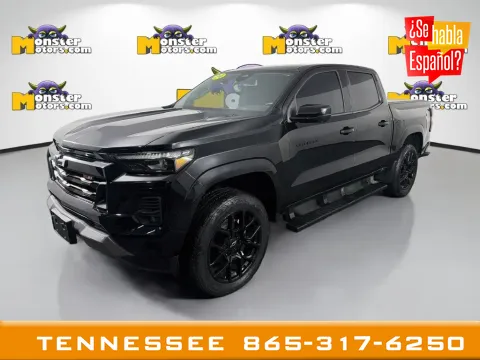
Size is the clearest separator. Modern full-size trucks stretch roughly 209–253 inches bumper-to-bumper, while compact and midsize alternatives run 190–227 inches. That extra one to two feet affects everything from garage fit to city-center parking-garage anxiety.
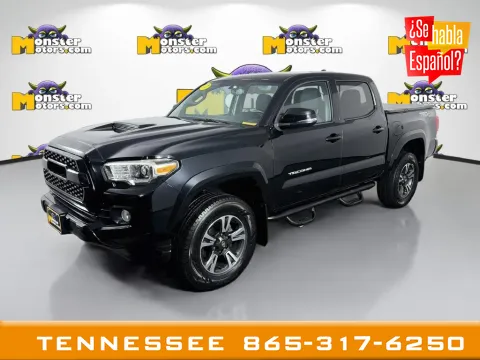
- Compact example: The 2025 Ford Maverick measures just under 200 inches yet still offers a crew cab and 4.5-foot bed—long enough for home-improvement runs without hogging two spaces downtown.
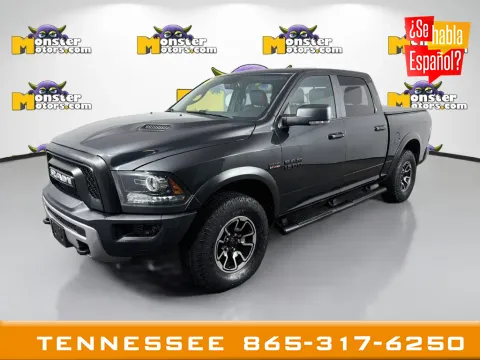
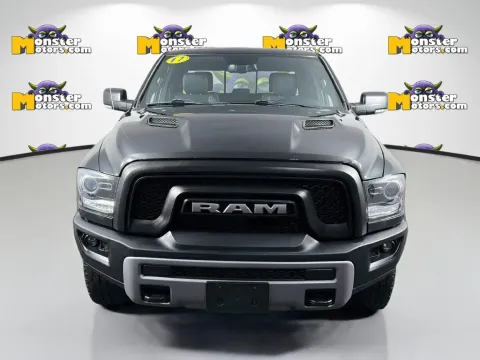
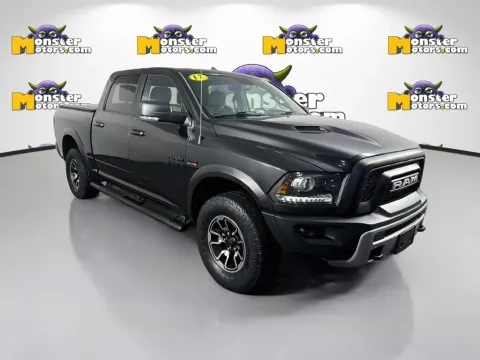
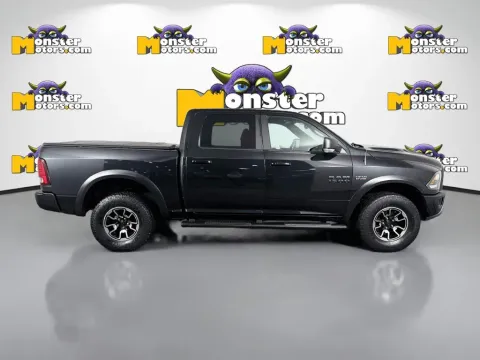
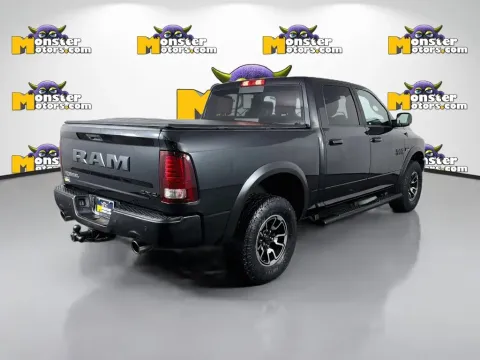
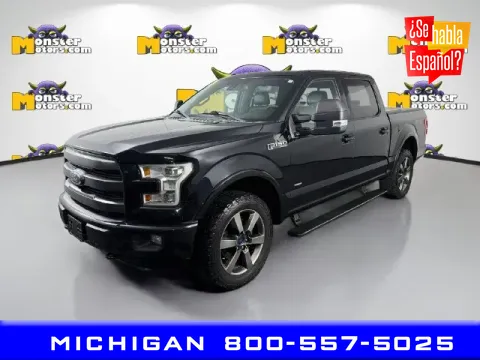
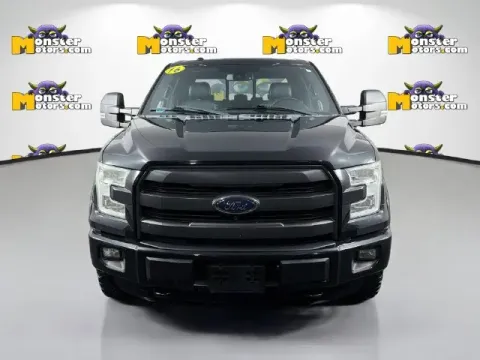
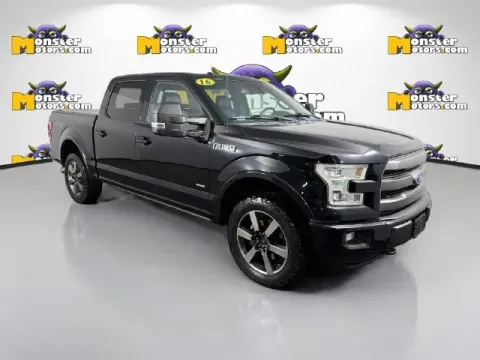
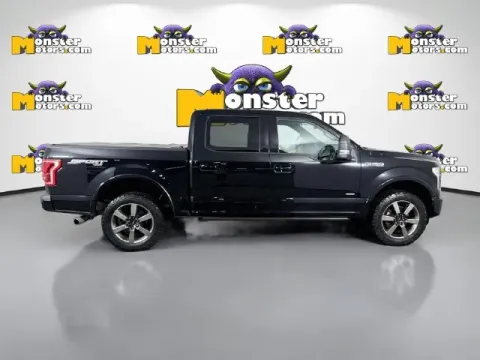
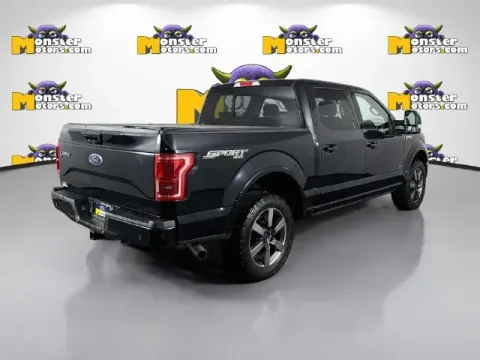
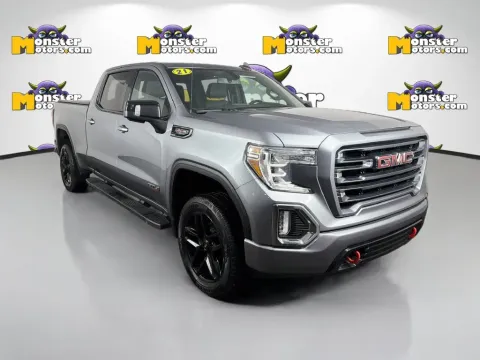
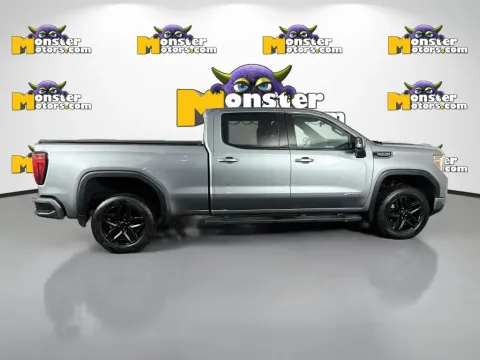
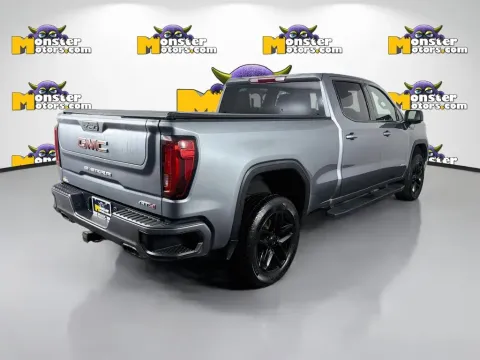
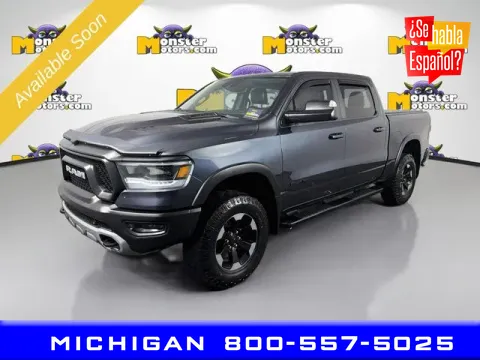
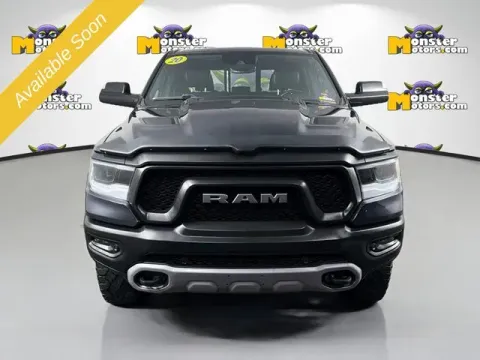
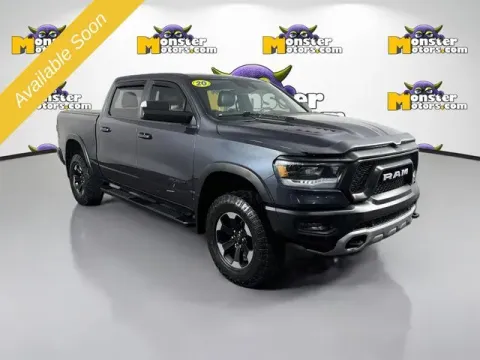
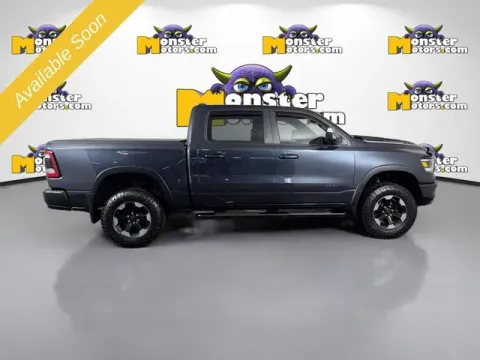
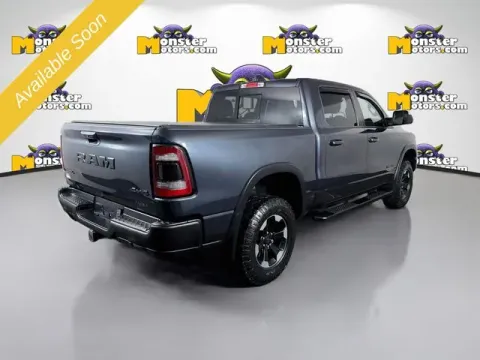
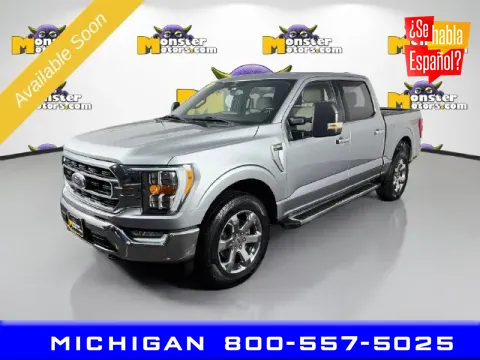
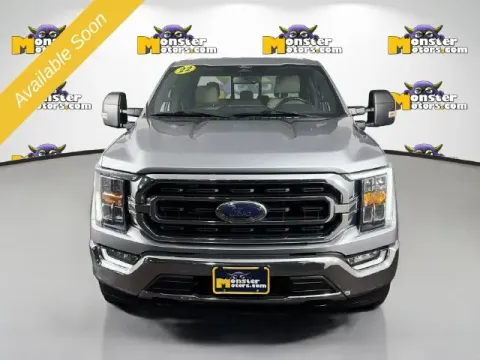
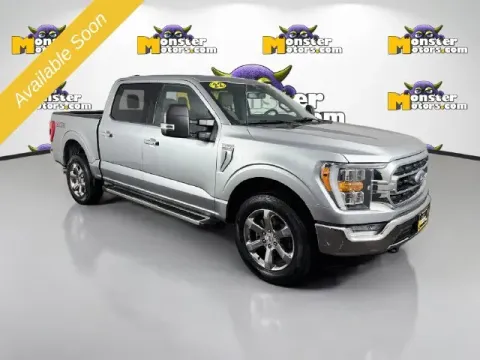
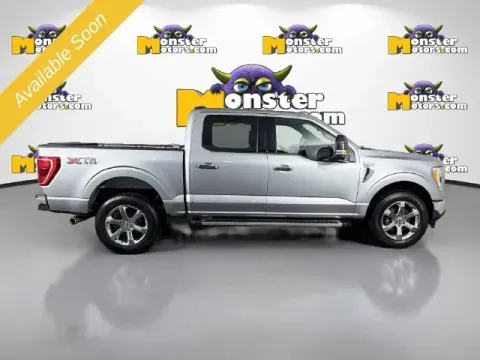
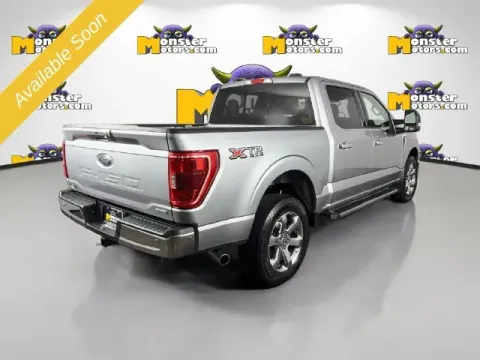
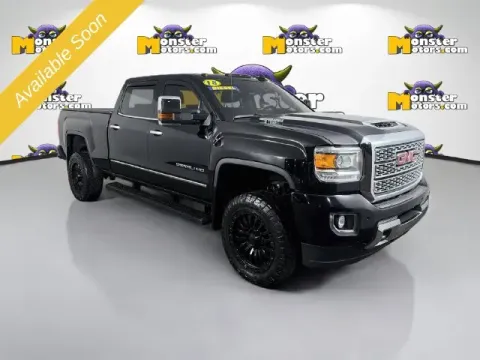
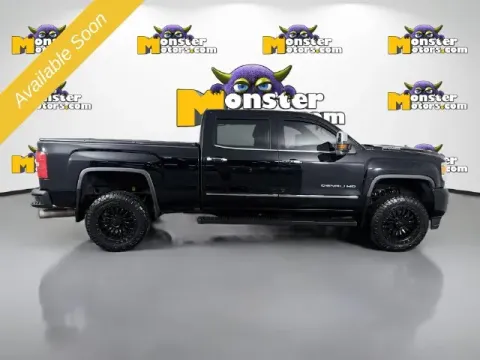
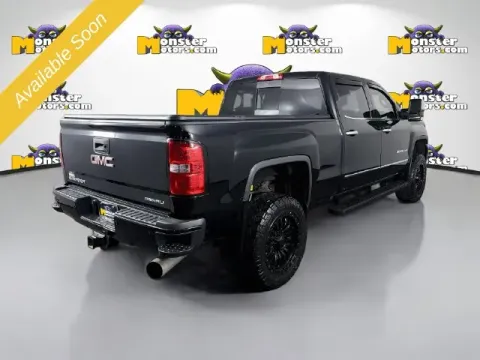
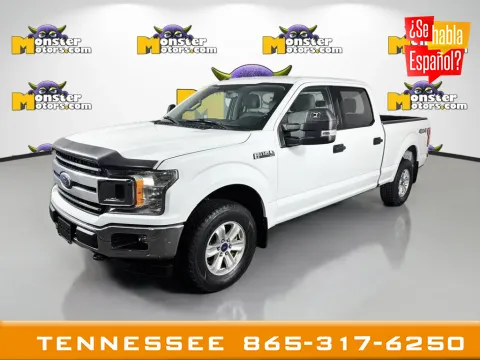
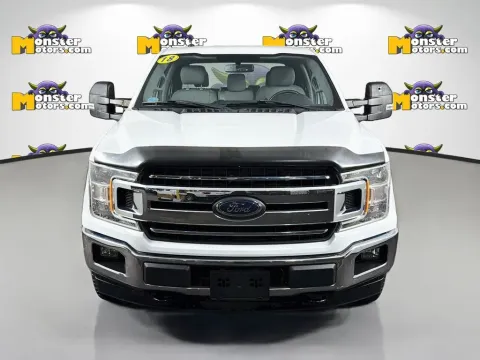
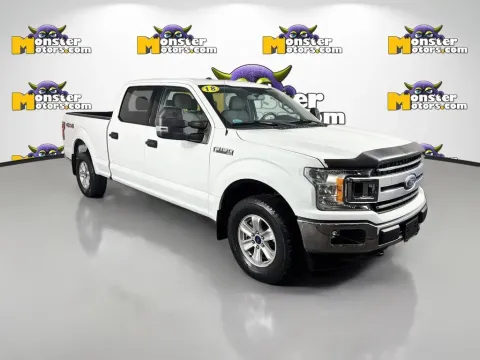
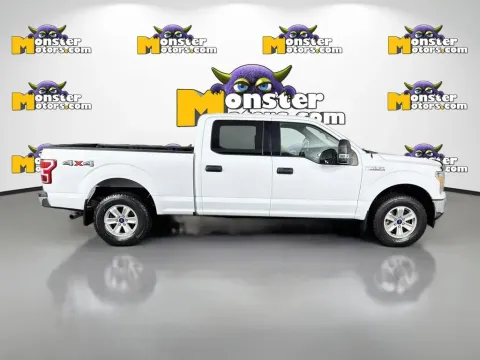
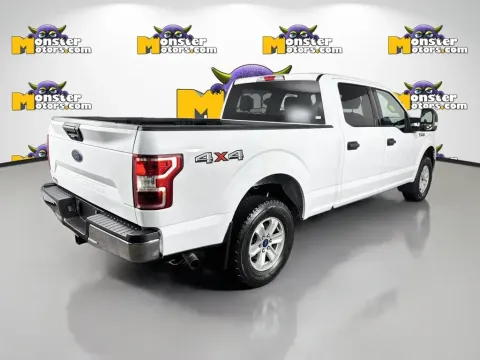
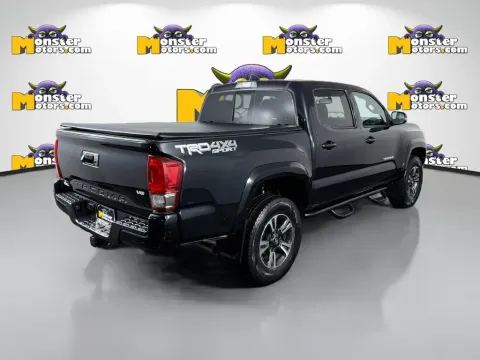
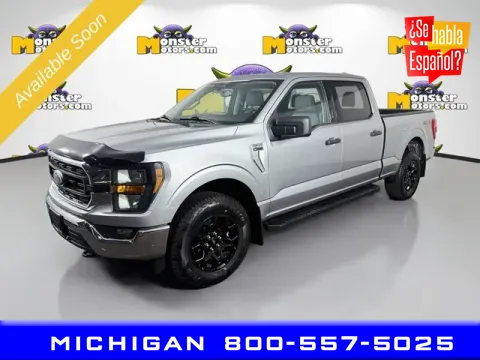
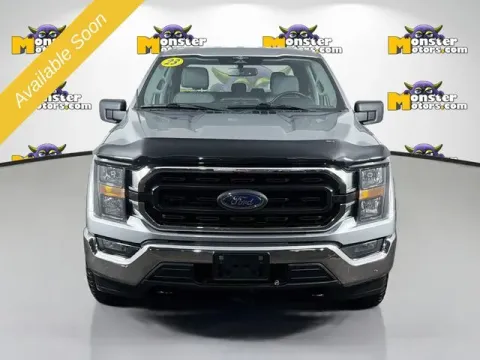
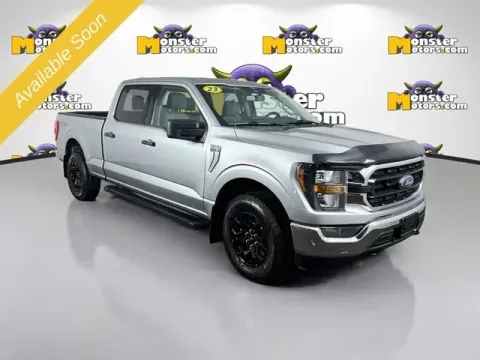
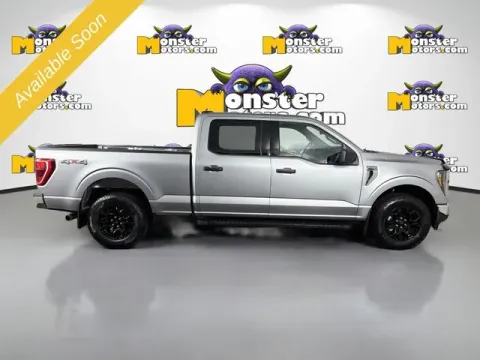
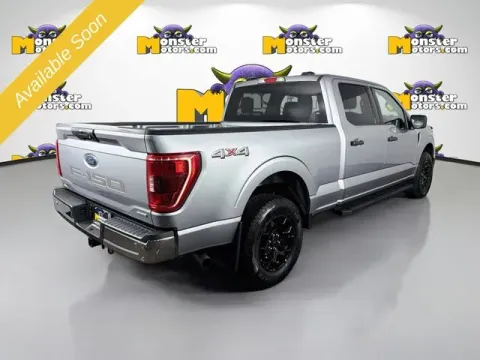
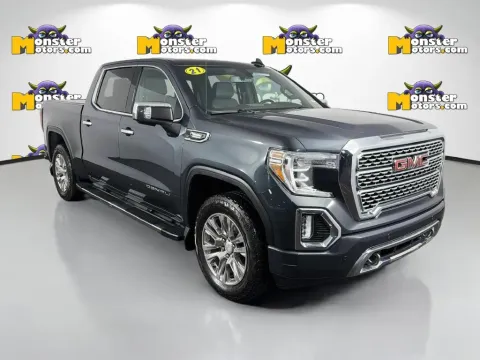
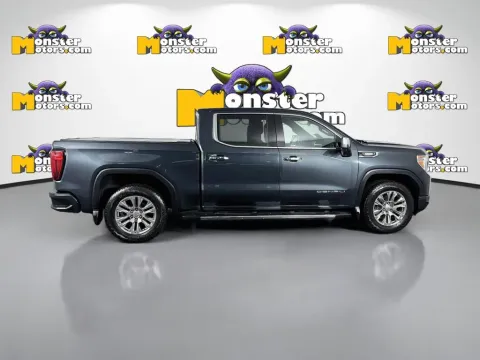
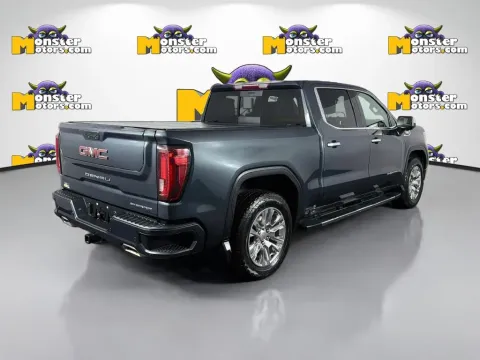
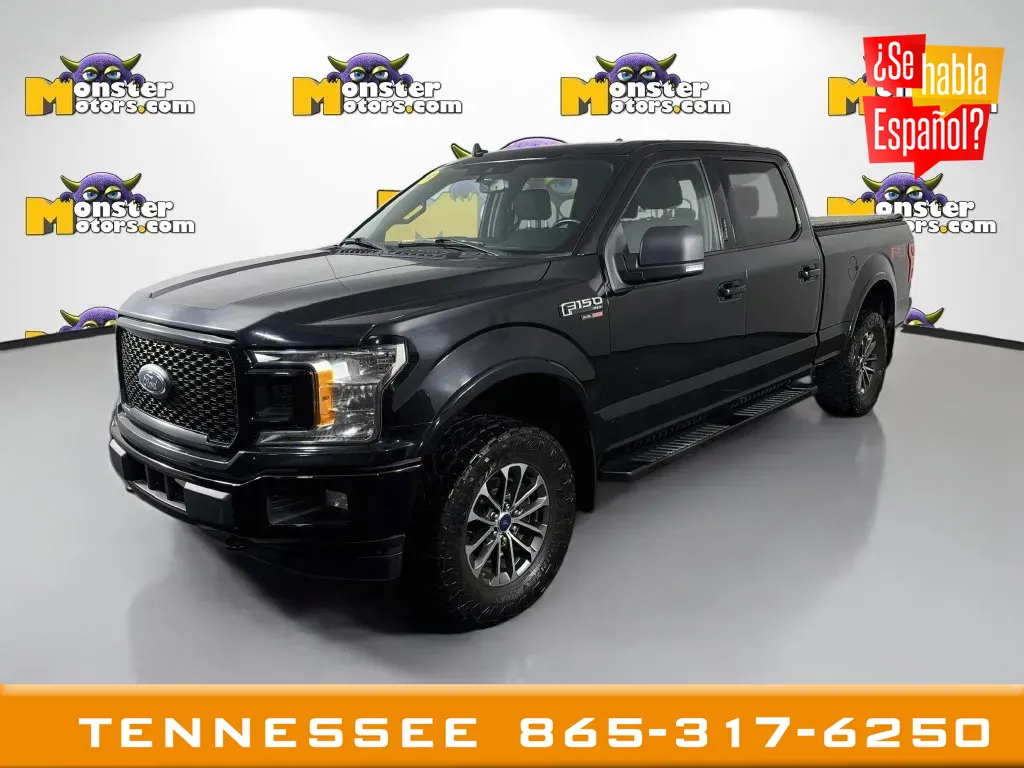
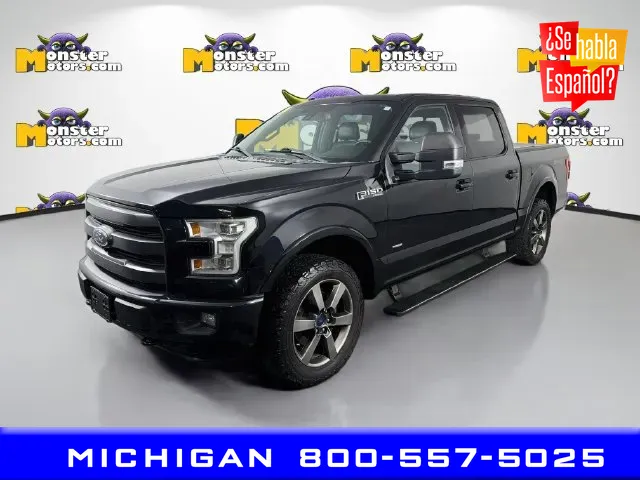
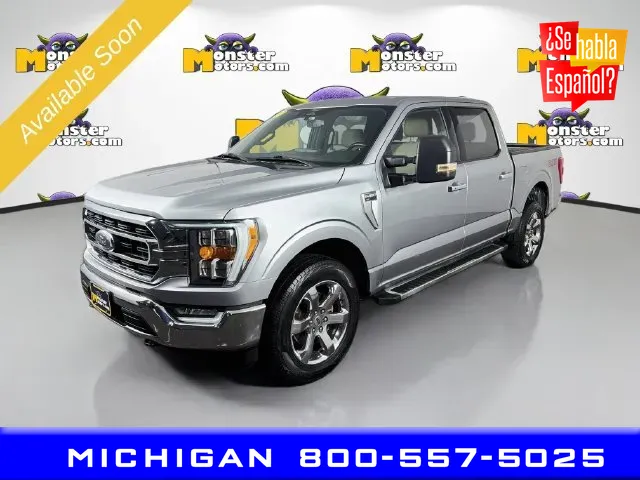
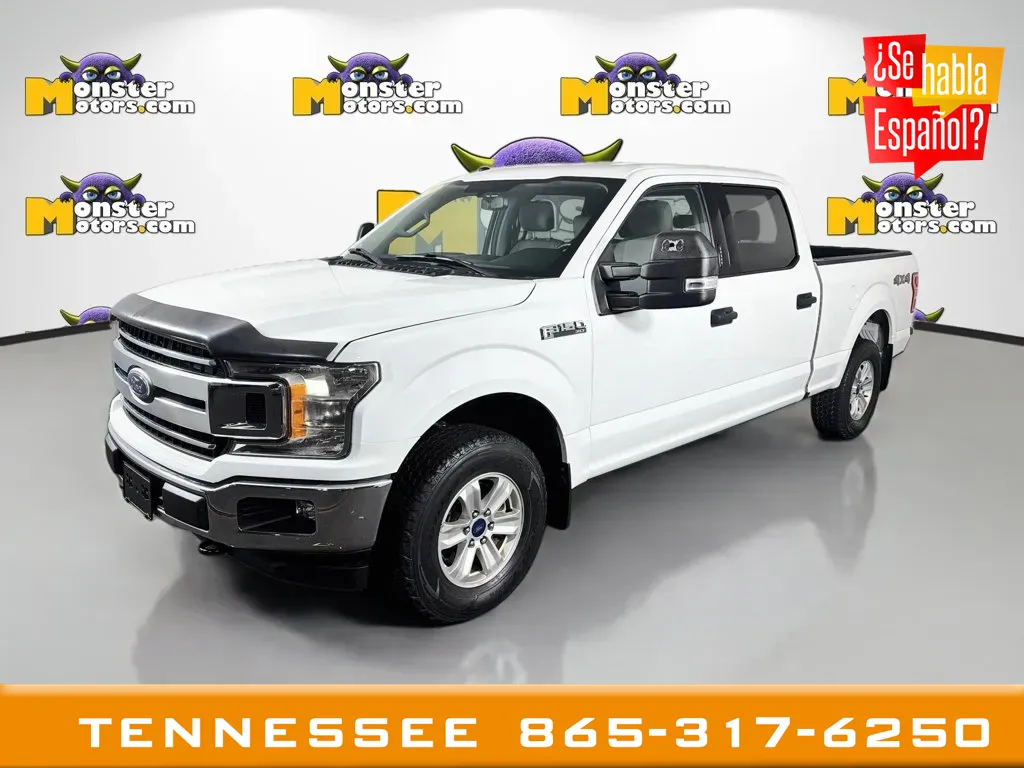
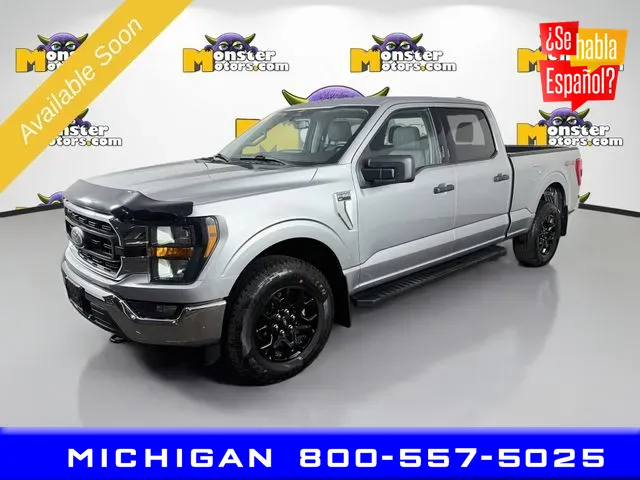
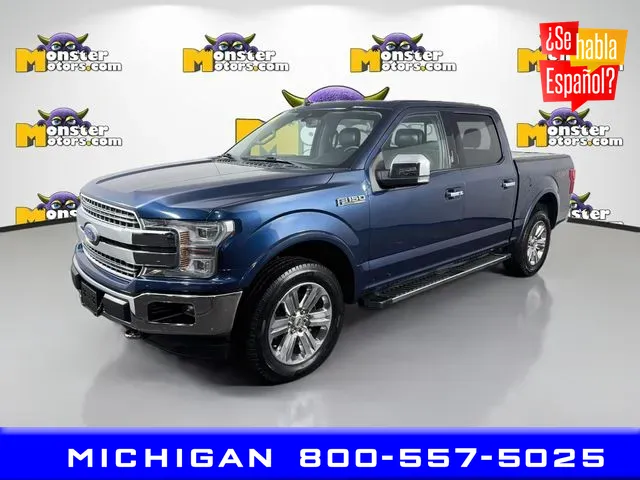
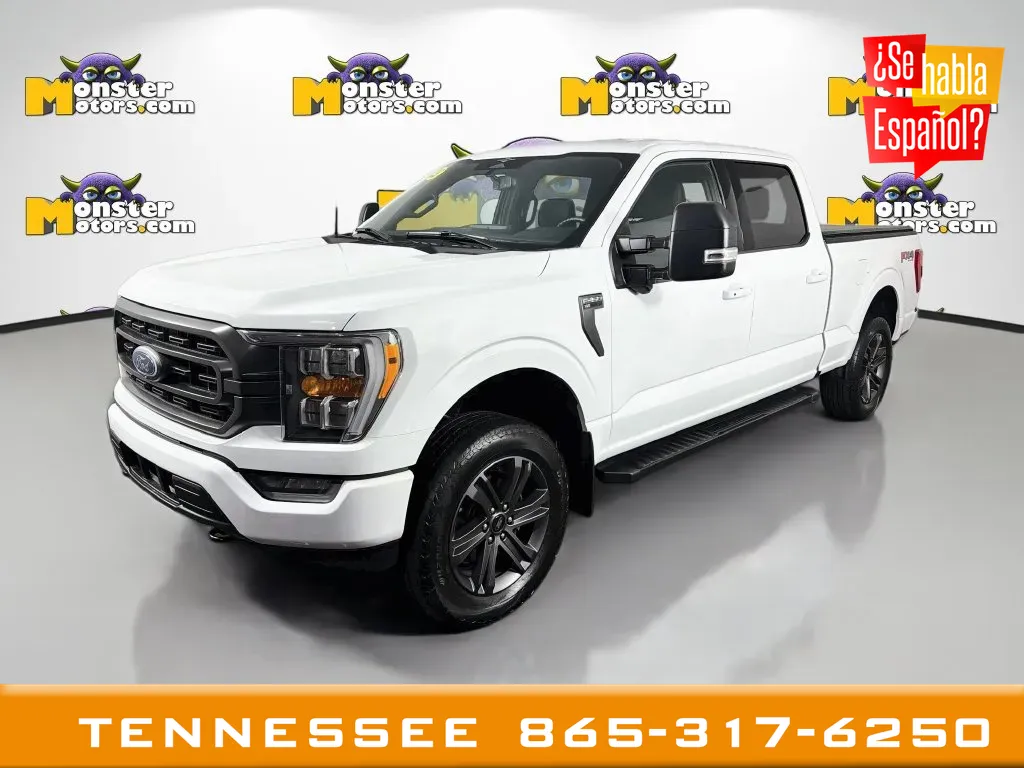
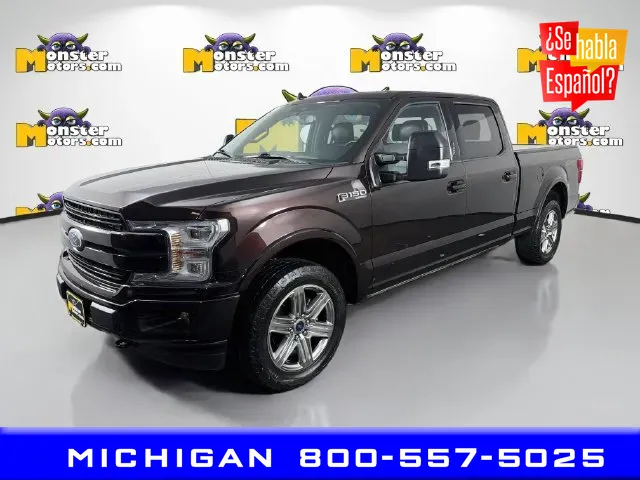
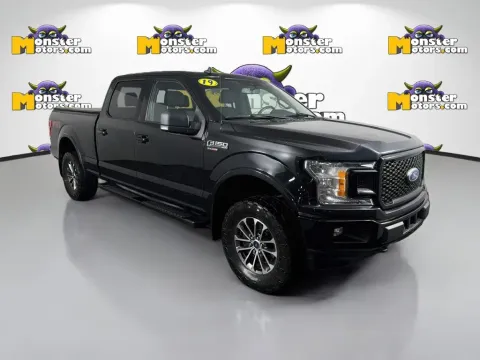
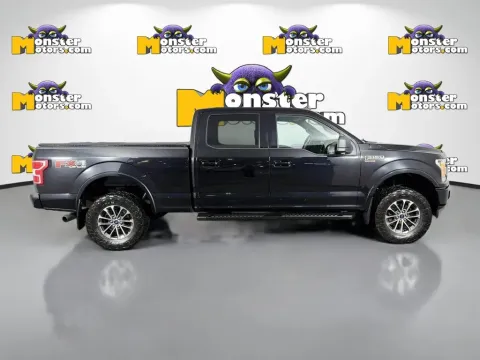
- Full-size example: A late-model Toyota Tundra or Ford F-150 may require a wide driveway and a generous turning radius but rewards you with cavernous rear-seat leg-room and a 6.5-foot (or longer) bed.
Rule of thumb: If you parallel-park daily or live in a dense suburb, start your search with compacts and the smaller end of the midsize spectrum.
2. What Do You Really Need to Tow or Haul?
Capability, not ego, should drive the choice. Properly optioned gasoline full-size half-ton pickups can tow up to 14,000 pounds and haul payloads approaching 2,500 pounds.Compact and midsize trucks tap out closer to 4,000–7,700 pounds in towing and about 1,600 pounds in the bed—plenty for weekend toys, small campers or landscaping supplies.
- Use a boat or horse trailer over 8,000 pounds? Lean full-size.
- Mostly bikes, mulch, and DIY lumber? A compact rig will do just fine and save at the pump.
3. How Much Will You Spend Each Month?
Price gaps widen quickly as you add cylinders, cab space, and tech. In today’s used market:
- Clean, low-mileage compact pickups such as a ’23-’24 Maverick Hybrid hover in the mid-$20k range.
- Comparable full-size trucks of the same vintage routinely start near $35k and climb past $60k for high-trim 4×4 models.
Insurance, registration, and tire costs trend the same way—bigger truck, bigger bill. If your budget is capped under $30k, a compact or older midsize will leave room for maintenance and accessory upgrades.
4. What Will It Cost to Run Every Day?
Fuel economy has improved for trucks across the board, but physics still favors the lighter platform. Average pickup efficiency has climbed to nearly 25 mpg, yet compact hybrids such as the Maverick post up to 42 mpg city, while full-size gasoline rigs often sit around 20 mpg combined.
Over 15,000 miles a year, that 10-mpg spread can save you about $1,200 annually at current prices—money that can pay for all-terrain tires or a tonneau cover.
5. Where Do You Drive—and Play?
Urban & Suburban Commuters
Compact pickups shine when you value easy parking and sedan-like ride comfort but still need an open bed on weekend runs to the garden center.
Mixed-Use Adventurers
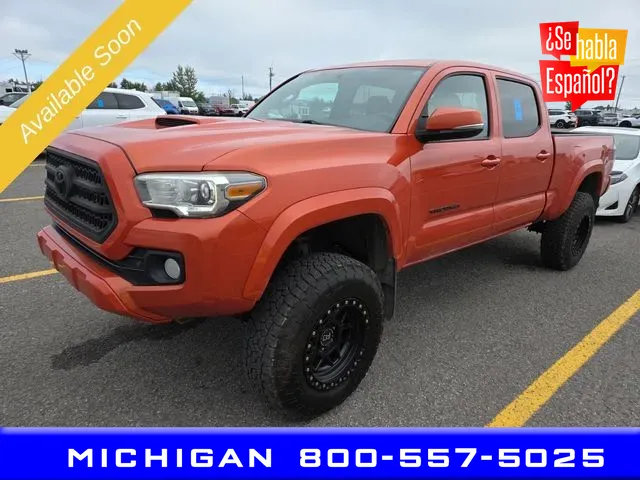
Midsize or smaller full-size models strike a balance: tight enough for grocery trips, strong enough to pull a lightweight travel trailer.
Heavy-Duty Haulers & Off-Road Enthusiasts
If you routinely tackle deep mud, extreme rock crawling or tow equipment for work, full-size frames, beefier axles and larger fuel tanks offer durability and range.

6. How Will It Hold Its Value?
Resale value determines what you’ll recoup when it’s time to trade up. Kelley Blue Book’s 2025 rankings list:
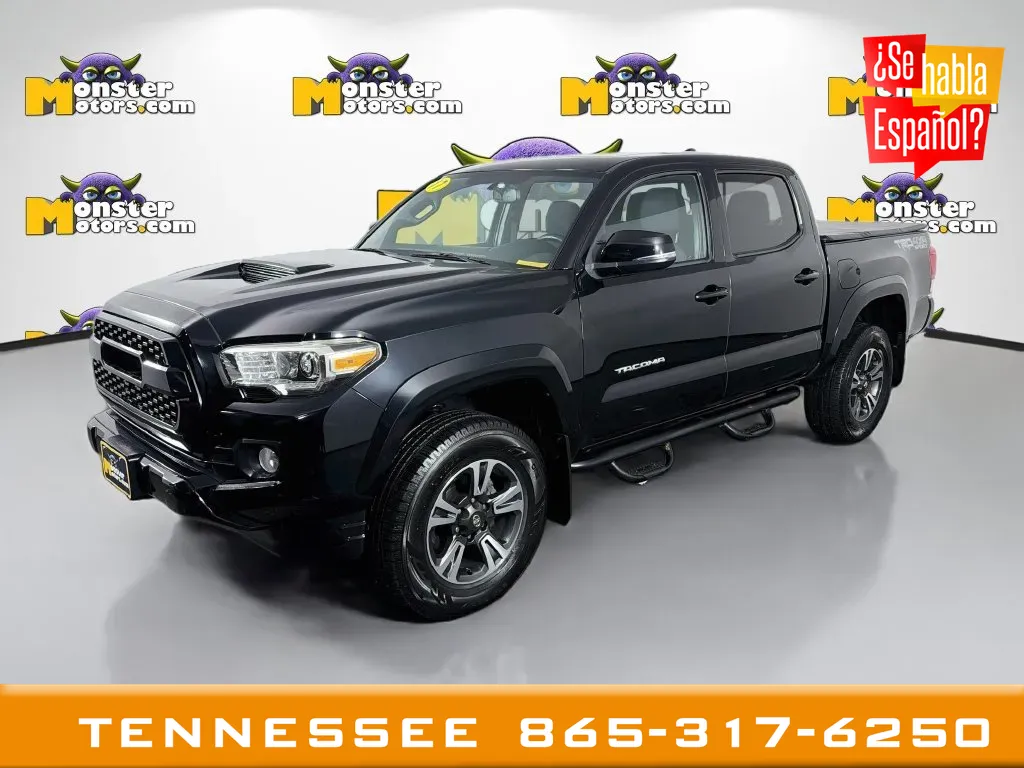
- Toyota Tacoma (compact/midsize) – 64.1 % five-year residual
- Ford Maverick (compact) – 53.2 % five-year residual
- Toyota Tundra (full-size) – 60.9 % five-year residual
Takeaway: both segments can perform well; look for nameplates with proven demand and low depreciation curves to protect your investment.
7. Buying Smart at the Dealership
- Check the VIN history. Accidents and flood damage tank resale and reliability.
- Inspect consumables. Big-diameter truck tires cost $250+ each; worn rubber can erase that “great deal.”
- Test real-world fit. Bring the family, a child seat, or the mountain bike to ensure bed length, cab space, and ramp angles meet your routine.
- Negotiate total price, not monthly payment. Add-ons like spray-in liners or extended warranties can inflate the final figure.
- Mind the payload math. Many shoppers overlook the weight of aftermarket accessories—roof tents, winches, even a full cooler—when calculating remaining payload.
A reputable dealership should give you access to service records and encourage a pre-purchase inspection. If they balk, keep shopping.
Make It Yours
Ready to turn research into reality? Visit Monster Motors or explore our online showroom to experience these budget-friendly sportscars firsthand. Our team of enthusiasts will walk you through horsepower figures, torque specs, and ownership costs, helping you choose a ride that thrills without straining your finances.
Have questions about financing, inventory, or trade-in values? Simply contact our experts and we’ll guide you through every step—from scheduling a test-drive to finalizing paperwork—so you can hit the road with total confidence.
Browse Our Inventory Of Used Pickup Trucks
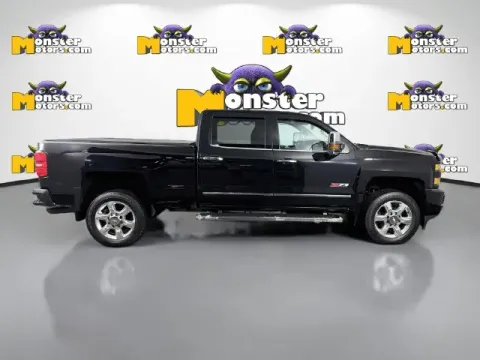
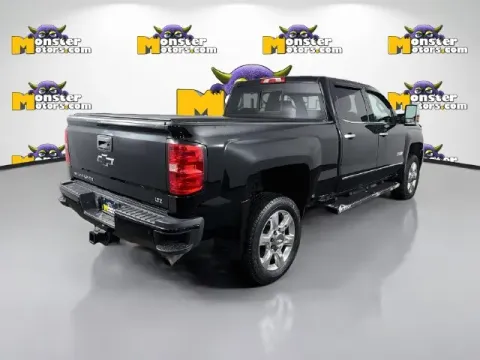
$509/mo
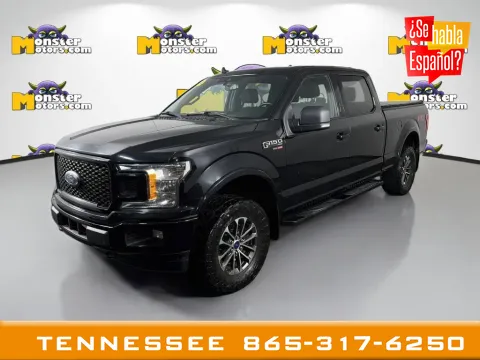
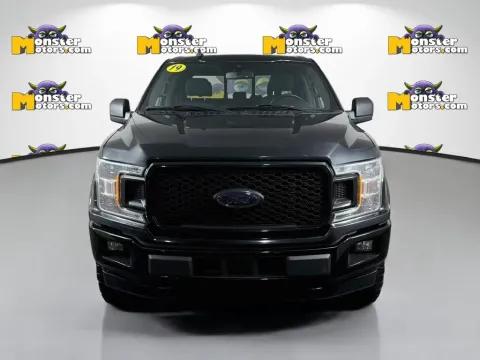


$459/mo