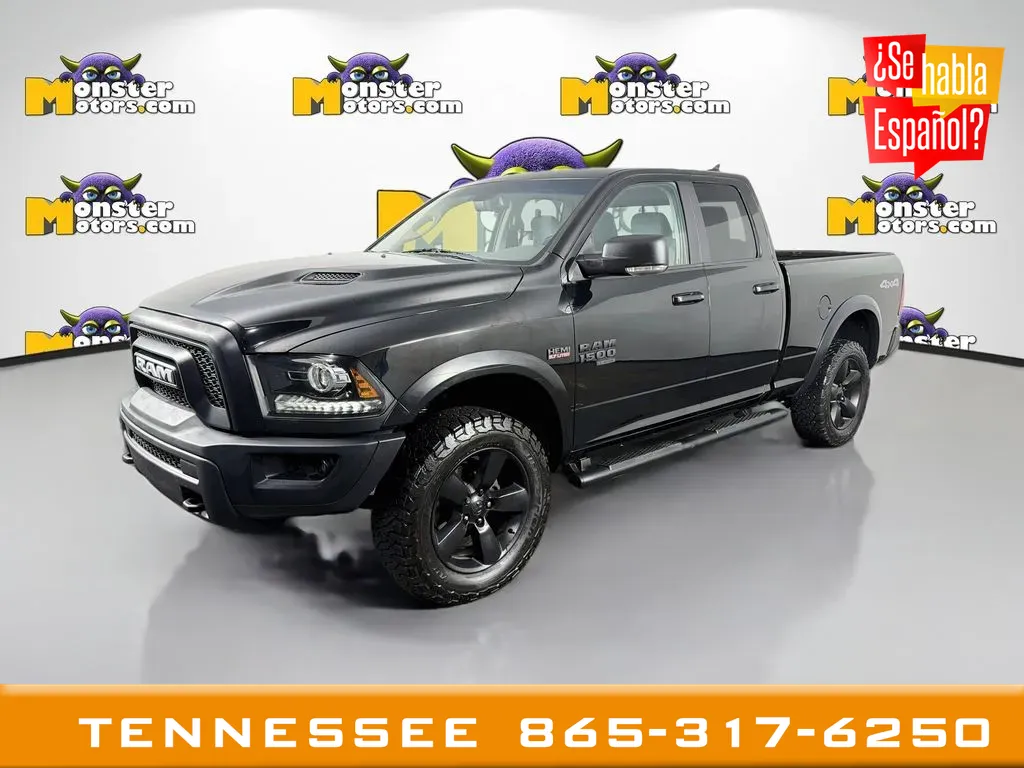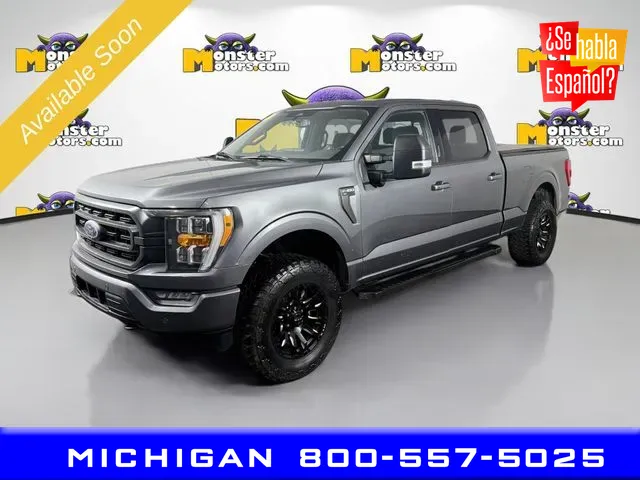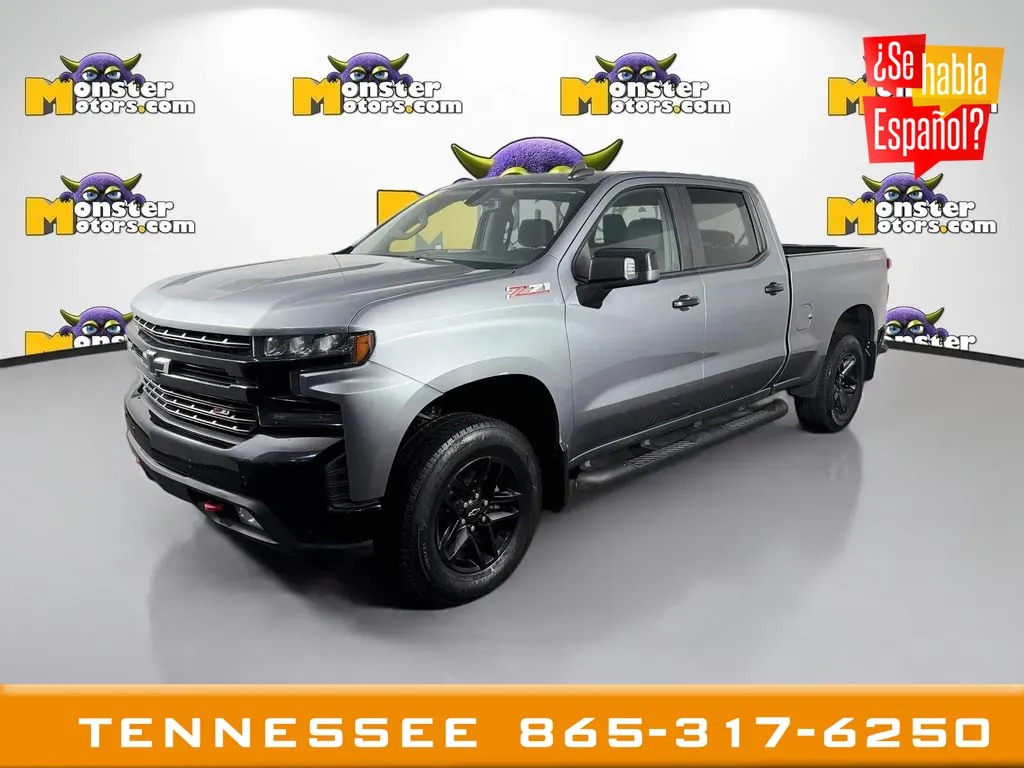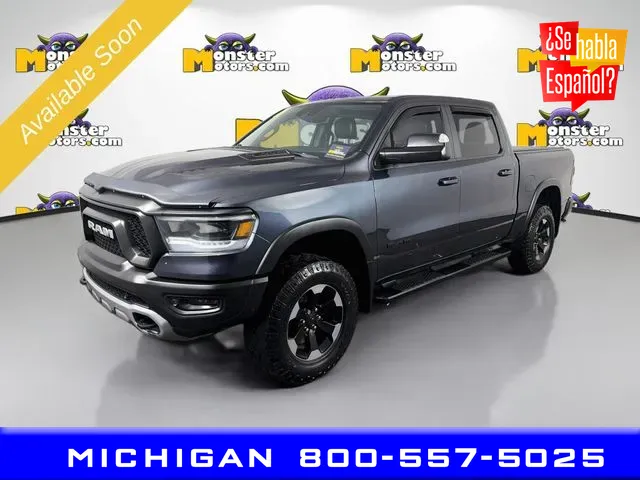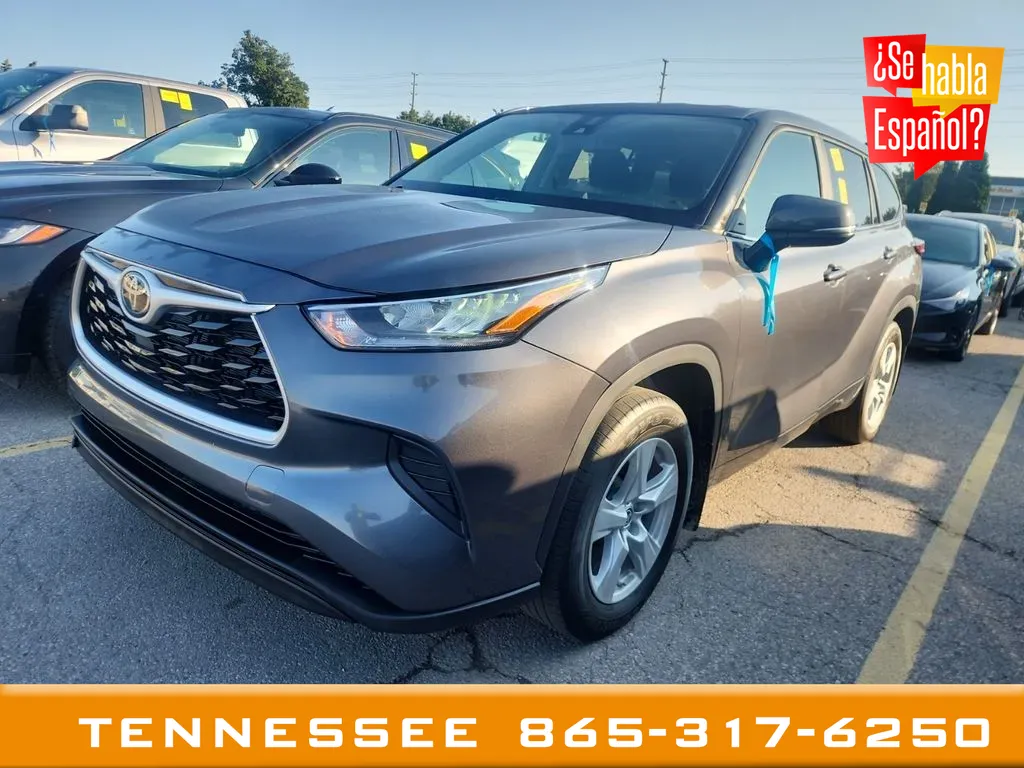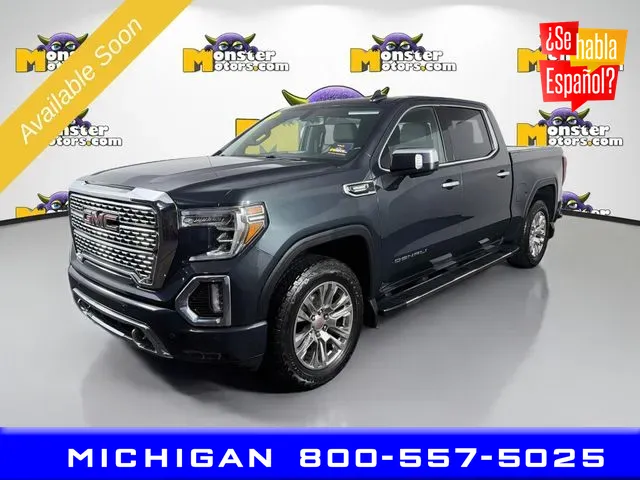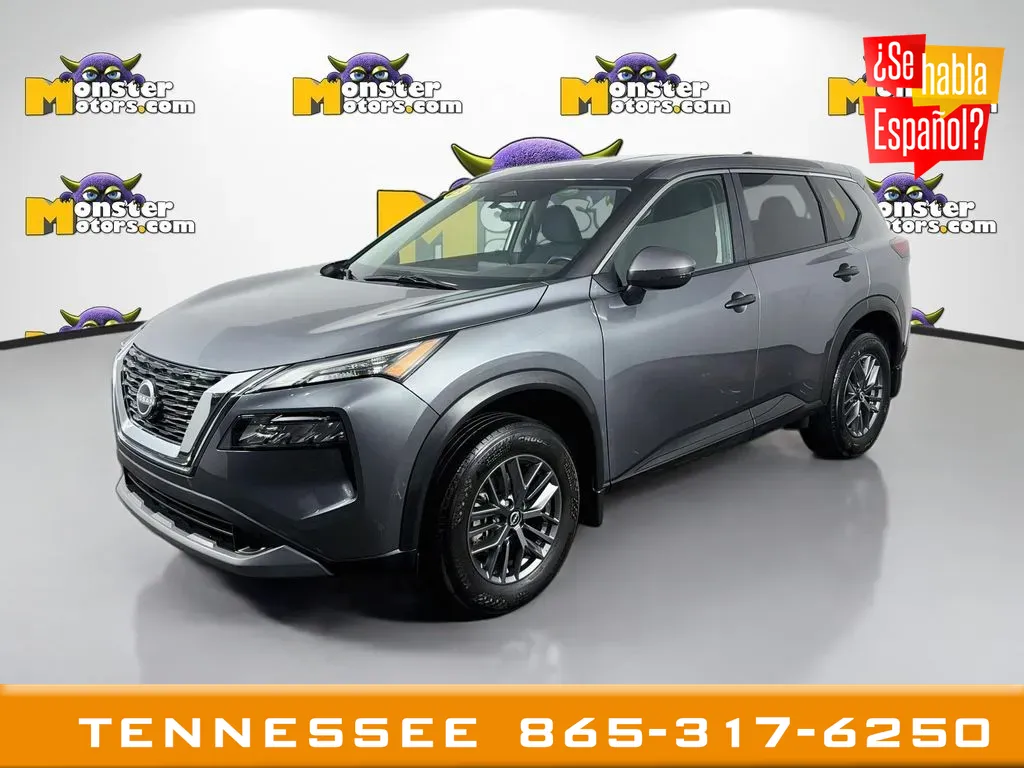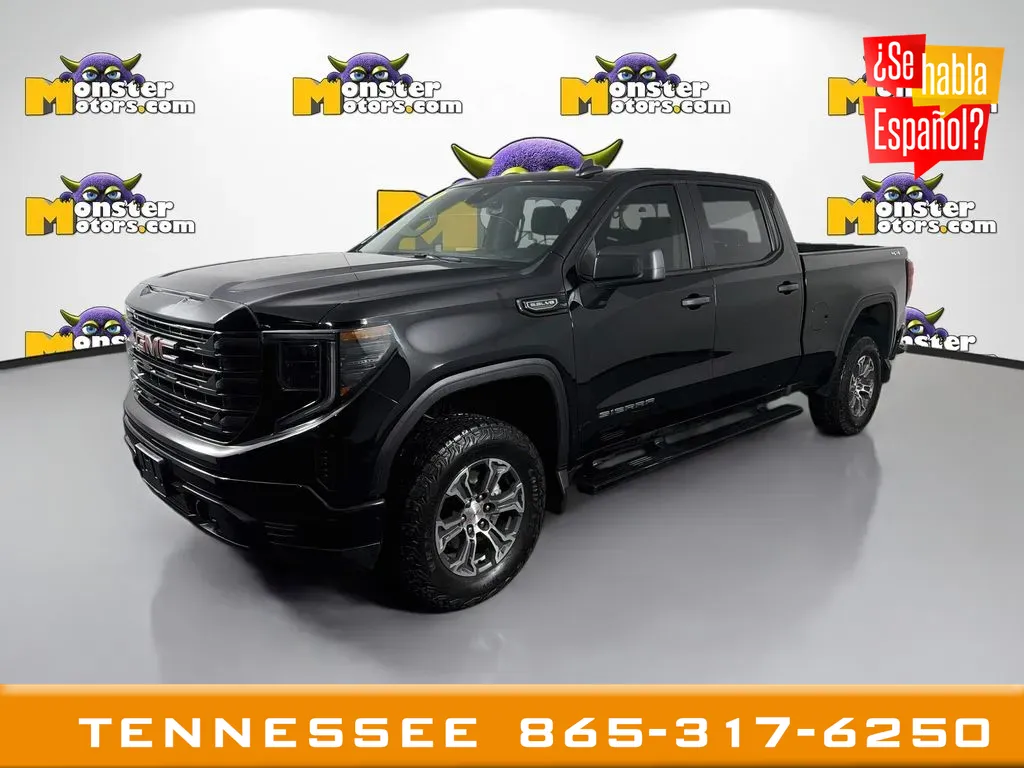
What Happens After You Trade In Your Car? The Journey from Trade-In to the Monster Motors Lot
In a world that pretty much ends at this point, you hand over the keys at your dealership and drive away in your next vehicle. However, for that aging vehicle, a brand-new chapter is just beginning.
A lot of drivers think a trade-in simply sits on the lot with a contact number taped to the windshield by the following afternoon. The usual process involves so much more than that. Behind the massive showroom doors, a multi-step process takes place involving economic analytics, repairs and polishing, or simply routing the car away from the dealership altogether.
So, let us understand what happens to trade-in cars, how they make their way from a used car lot onto the front row, and why it can take so long.
Phase 1: Intake and the First Appraisal
As soon as a customer accepts a trade-in value, the lifecycle starts. Once the agreement is signed, that car moves out of the customer lane and directly to the intake bay.
This is where the dealership inputs the vehicle into its inventory management system. Title checks, lien verifications, and vehicle history reports similar to Carfax or AutoCheck are pulled.
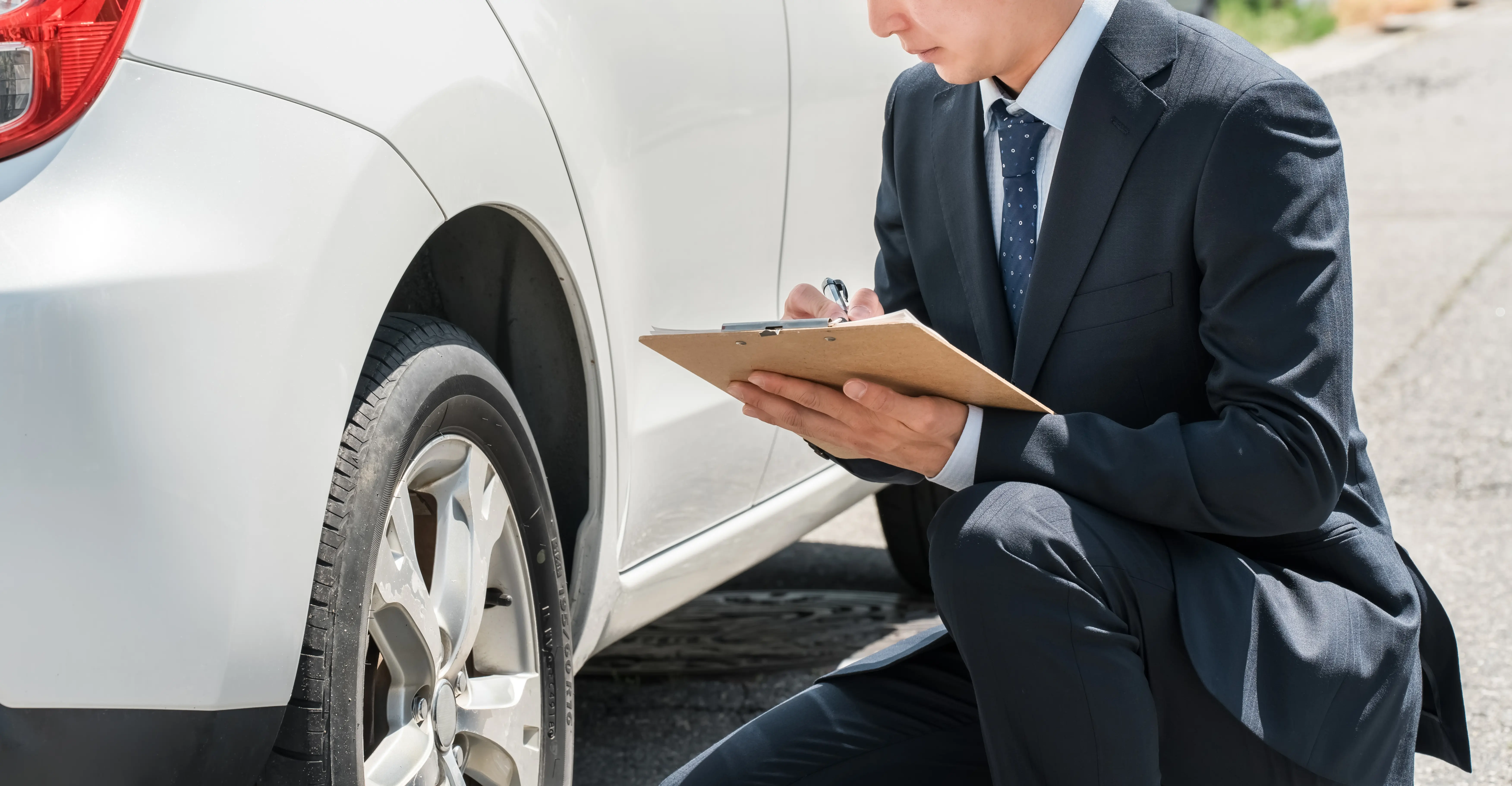
Verifying that the condition of the vehicle reflects that initial trade-in appraisal is also part of the process. Mileage, key fobs, and baseline structural health are checked before the vehicle moves forward.
Phase 2: Backtesting and Classification — Retail vs. Wholesale
Not all cars accepted as trades end up on the dealership's used car lot. As soon as it is taken in, the car receives an initial evaluation to help decide its fate:
The Retail Track: Cars that are relatively new, have low mileage, clean titles, and are in demand locally will be tagged for retail sale.
The Wholesale Track: Cars that are high-mileage, severely damaged, have salvage titles, or are an unpopular model for the dealership may be sent to wholesale auto auctions.
Sending a car to auction does not always indicate a bad car. It usually just means that it will cost more to prepare the car for retail sale than the local market will bear.
Phase 3: The Deep-Dive Mechanical and Safety Inspection
Cars that are chosen for the retail track will be sent to the service bay for a complete mechanical inspection. This is when a technician will perform a thorough diagnostic on the car:
1. Safety Inspections
Brakes, tires, steering, and suspension are tested and measured. This means that if the car has tires or brake pads that do not meet the minimum depth or thickness criteria, they get replaced.
2. Diagnostic Scans
Mechanics scan the car's onboard computers and look for trouble codes to identify potential issues and ensure that the engine, exhaust, and other systems are operating properly.
3. Fluids and Filters
Mechanics check the state of the engine oil, transmission fluid, coolant, brake fluid, and other liquids. They also look at the filters' condition and replace them when required.
Phase 4: Reconditioning — More Than a Car Wash
Used car reconditioning is one of the most critical phases of the whole process. It is during this phase that the car is prepared for sale.
Reconditioning is much more than washing and detailing. It is about fixing mechanical and cosmetic defects to make the car safe and pleasant to drive.
First, mechanics fix the discovered defects and replace worn parts such as batteries, belts, and gaskets. Second, detailers perform the needed procedures to bring the car's appearance to the desired level. This can include:
- Dent repairers removing door dings without damaging the original paint.
- Windshield experts repairing star-shaped breaks and cracks.
- Upholstery detailers cleaning and treating upholstery.
- Leather detailers eliminating odors and spots.
- Painters performing the needed procedures to eliminate light scratches and other cosmetic imperfections.
Phase 5: Pricing and Listing
After the reconditioning is done, the car is ready for pricing and listing. A lot of factors impact the final price, yet dealerships now have specific software that helps estimate the current value of a vehicle. The program will indicate the market value of the car based on its characteristics, including make, model, year, and mileage.
The dealer's price may vary depending on the car's mechanical and cosmetic state, as well as the options equipped. As a result, the final market price is set based on the car's condition, features, and demand.
Why Some Cars Take Longer to Appear on the Lot
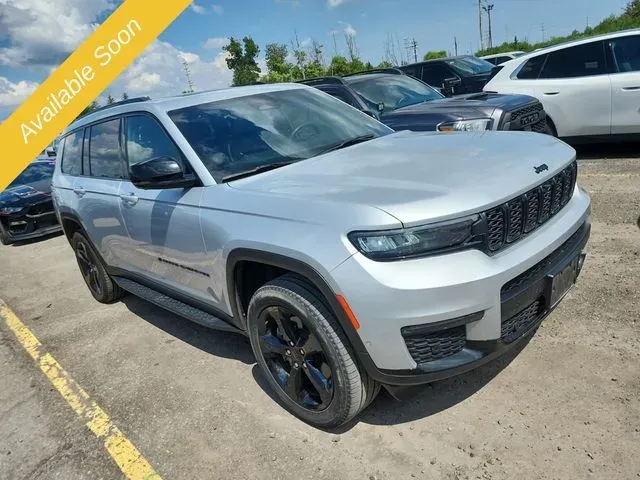
Some cars appear in the online catalog later than others and sometimes a considerable period after the customer's trade-in. There are numerous reasons for that, with the most common including:
Parts Availability
In the case of necessary spare parts, the dealership may need to order and wait for them before proceeding with reconditioning.
Title Work
The title is the legal proof of ownership, and it can take some time for the dealer to process the necessary paperwork with the local DMV.
Cosmetic Work
Some cars require bodywork or paint correction and stay at the body shop longer for that reason.
From Trade-In to the Used Car Lot
The journey from handing over a set of keys to seeing a vehicle ready for its next owner involves much more than parking it on a used car lot. Appraisal, classification, mechanical inspections, reconditioning, pricing, and paperwork all play a role in determining when and where a trade-in will eventually be offered for sale.
Thinking about trading in your current vehicle? Visit Monster Motors to get started with your trade-in and see what your vehicle may be worth.